


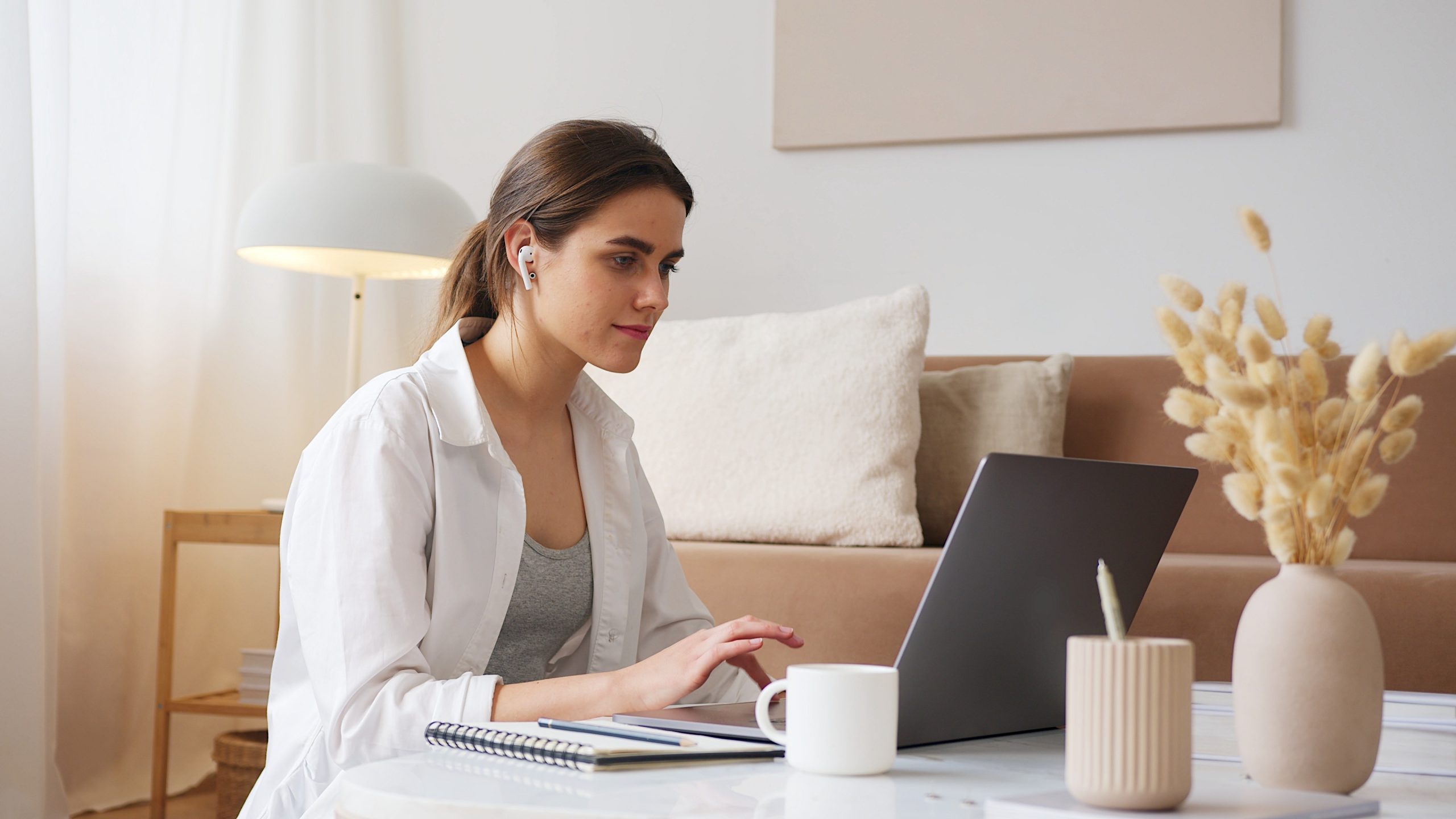
Online therapy allows people to avoid the physical barriers of in-person therapy. For example, traveling to an in-person therapist might be difficult or impossible if you live in a rural location or struggle with mobility issues.
Online therapy also eliminates the need to navigate crowded parking lots or fight traffic. However, it’s important to limit distractions at home and ensure your internet connection is strong enough for video sessions.
Convenience
Online therapy lets you talk to a therapist without having to leave the comfort of your home. This can be particularly beneficial if you’re dealing with anxiety and find it challenging to face a counselor in person. Evening and weekend appointments are often available, letting you access support at times that suit your schedule best.
You can also benefit from having more control over your environment during an online therapy session, as you can set up the space to be as private and comfortable as possible. This can help you open up, be vulnerable more efficiently, and improve your chances of getting the most out of the sessions. However, you should be aware that distractions at home can be a challenge, so try to limit them as much as possible, including kids, other family members, TV, phones, and other apps.
Another advantage of online therapy NYC is that many platforms offer email and messaging options between live sessions. This can be useful for articulating emotions and problems during the week or keeping in touch with your therapist if you haven’t been able to attend a live session for any reason. However, checking whether your online therapist offers this service is essential before choosing them. Some providers may offer this feature as part of a package, while others will only provide it as an extra.
Flexibility
Online therapy allows clients to connect with their counselor from anywhere with a strong internet connection, eliminating many barriers to counseling. The client can connect using online video chat, text messages, or phone calls and schedule sessions at times that work with their busy lives. Online counseling also allows clients to connect with therapists they would not otherwise be able to see in person, increasing their choice of counseling professionals.
The client can choose their counselor based on experience, expertise, and personality and match with someone who is a good fit for them, rather than having to select from a limited number of therapists in their area or community. In addition, some platforms such as BetterHelp offer extra features that can make the online experience more beneficial, such as group sessions, journaling prompts, webinar classes, and thousands of articles on mental wellness topics such as anger management, anxiety, depression, relationships, when to see a family therapist, eating disorders, and trauma.
While online therapy has many advantages, creating a supportive relationship with a therapist that fosters trust and the therapeutic alliance necessary for success can be challenging. Additionally, connecting through text messaging or phone calls robs the therapist of the ability to gauge the body language and tone of voice important for building rapport and developing an authentic connection with their clients.
Affordability
Online therapy offers several benefits that can help people who otherwise may not be able to receive mental health care due to cost or scheduling barriers. For one, it eliminates the need to travel and can be done anywhere with an internet connection. This is particularly helpful for those living in remote areas or with limited local access to therapists.
In addition, several online therapy providers offer subscription plans that make services more affordable than traditional in-person therapy. Many also have an app that makes scheduling sessions at convenient times and tracking reimbursements easy. However, using insurance for online therapy often involves copays or deductibles, making it wise to inquire about coverage with specific platforms like BetterHelp. Asking directly, “Is BetterHelp covered by insurance?” opens doors to exploring the platform’s merits, both with and without your specific coverage.
Finally, online therapy can be less confronting for some who are hesitant to seek treatment because of a stigma or fear of being seen in public. Meeting with a counselor online can be done privately from the comfort of your home, without concerns about running into someone you know in the therapist’s waiting room or parking lot.
However, the success of online therapy depends on a patient’s commitment to attend weekly sessions and apply new skills to real-life situations between appointments. This requires a level of trust that can only be built when a patient and therapist are face to face, so it’s crucial to look for a therapist willing to do online therapy sessions via video chat or other virtual communication.
Accessibility
Online therapy can be accessed from anywhere with a reliable internet connection and a suitable device, such as a computer or mobile phone. It’s more convenient than traveling to a therapist’s office and allows people who may struggle to talk openly in person or leave the house for other reasons to receive treatment.
Many therapists have started offering online services, making it easier for you to find an appropriate specialist regardless of your location or budget. The selection is also more comprehensive, and it’s often easier to change therapists if you need to get on with one.
Online therapy can take various forms depending on your chosen platform, including video chat, instant messaging, and email counseling. Typically, video sessions are scheduled in advance and are conducted via an app or website chosen by your therapist. Instant message counseling can be real-time text-based conversations or act more like email counseling, with your therapist promising to respond within a pre-determined time frame.
While it’s true that connecting with a therapist via text or video can help you feel supported, it’s worth noting that a face-to-face interaction helps to forge the trusting, supportive relationship that is key to overcoming mental health challenges. Furthermore, interacting in person can give your therapist a better understanding of your emotional and social cues, which is hard to gauge with written or recorded messages.